
Last updated September 10, 2026
Full 25-point door and opener safety check with every visit - springs, cables, rollers, tracks, and your LiftMaster or Chamberlain opener included
You get a price before we start. It does not change when the truck arrives.
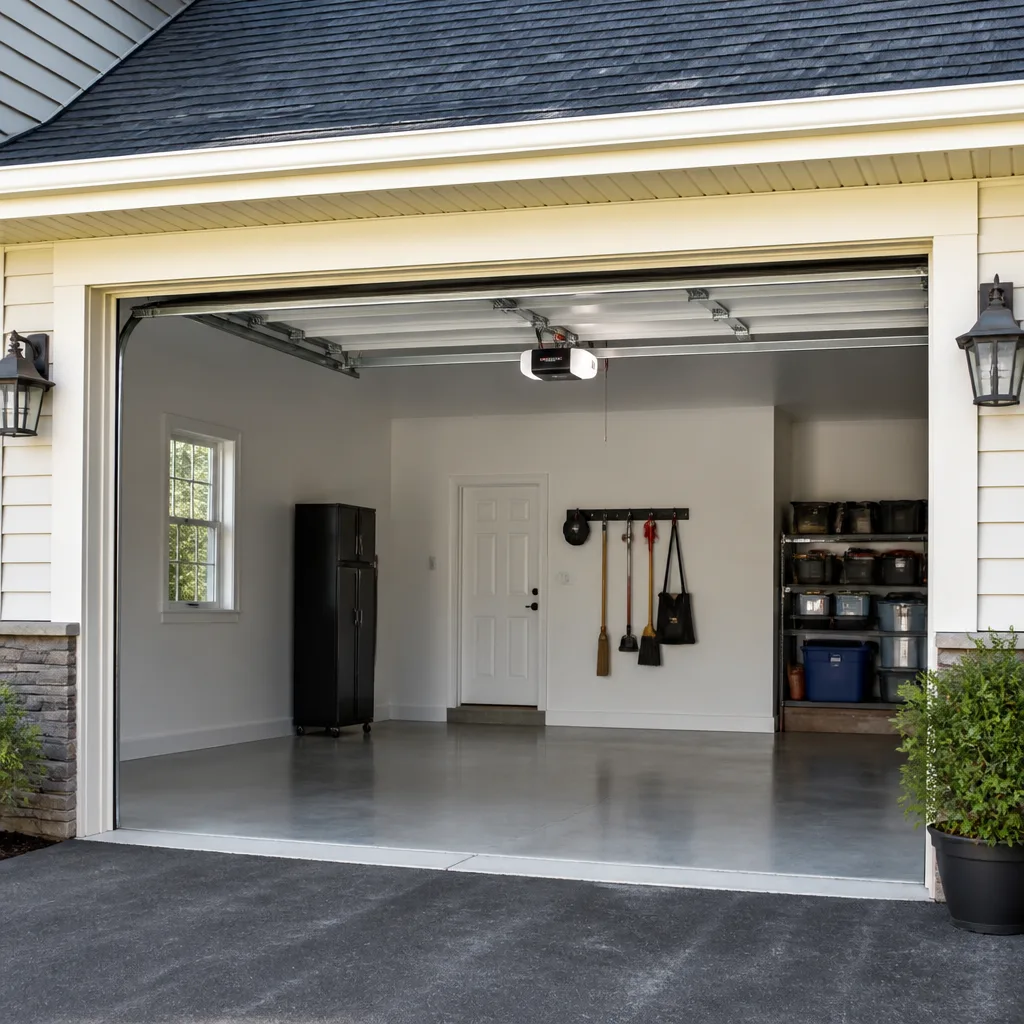
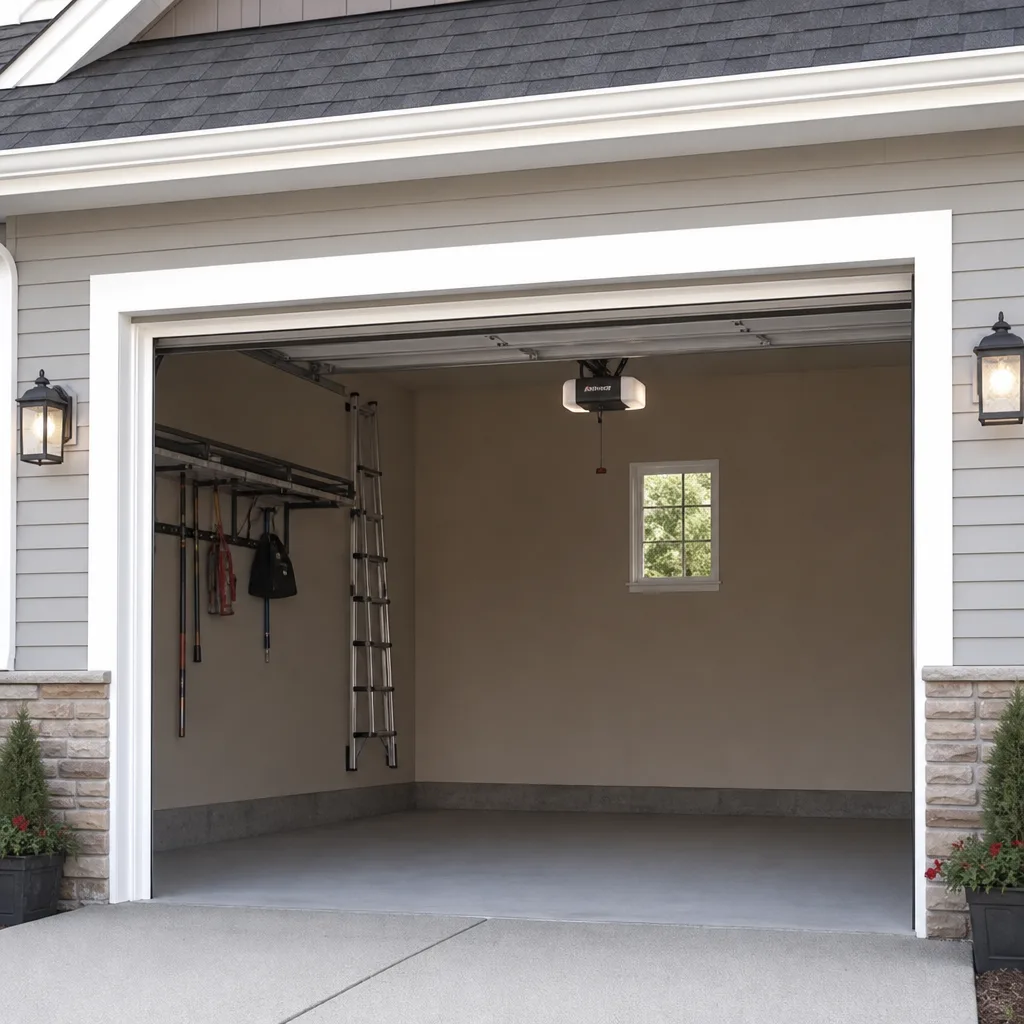
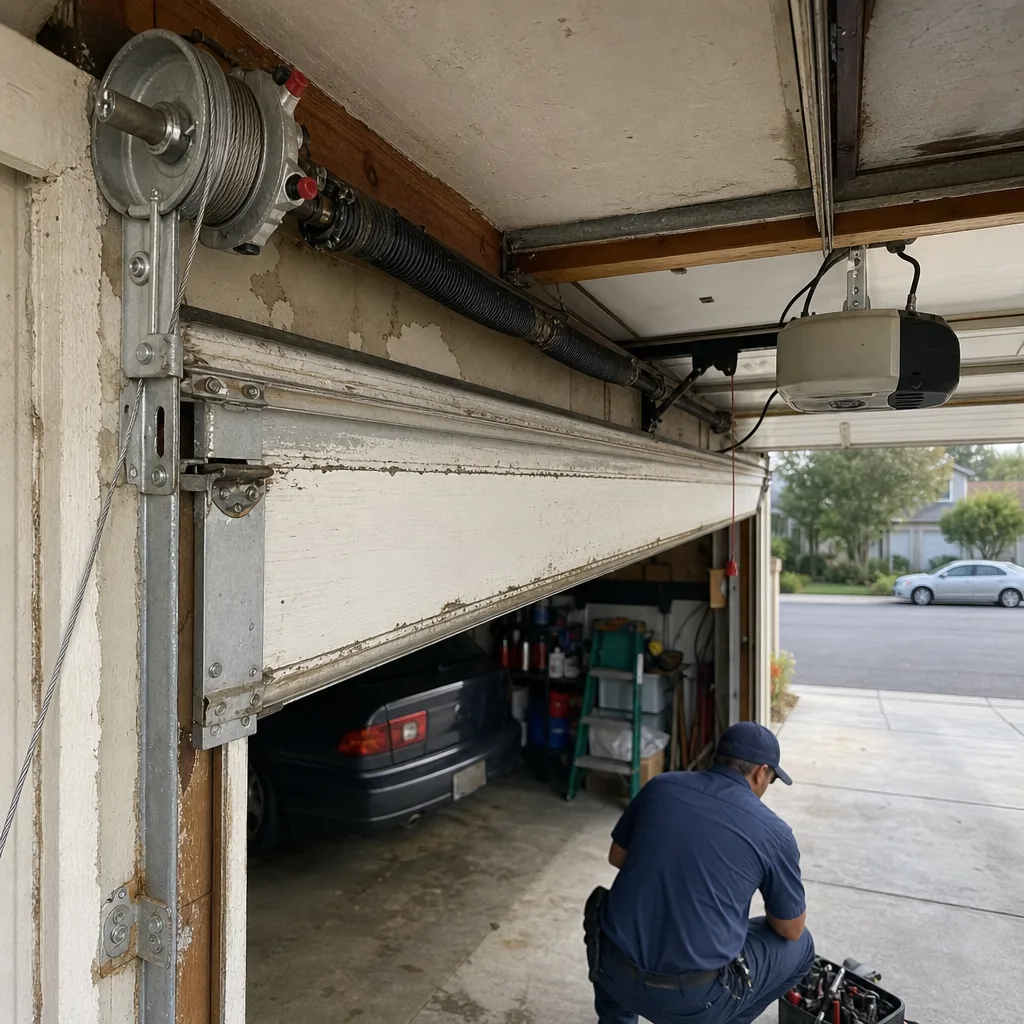 Before
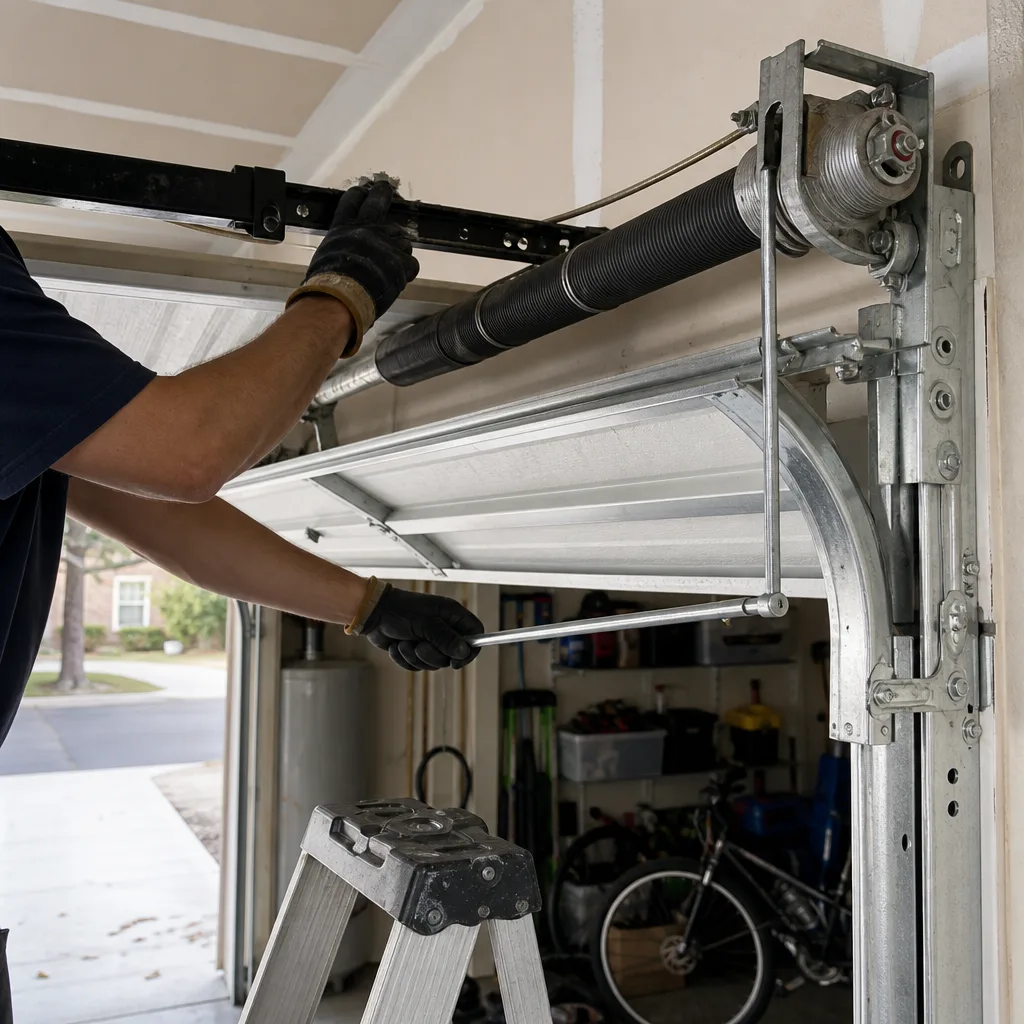 After
After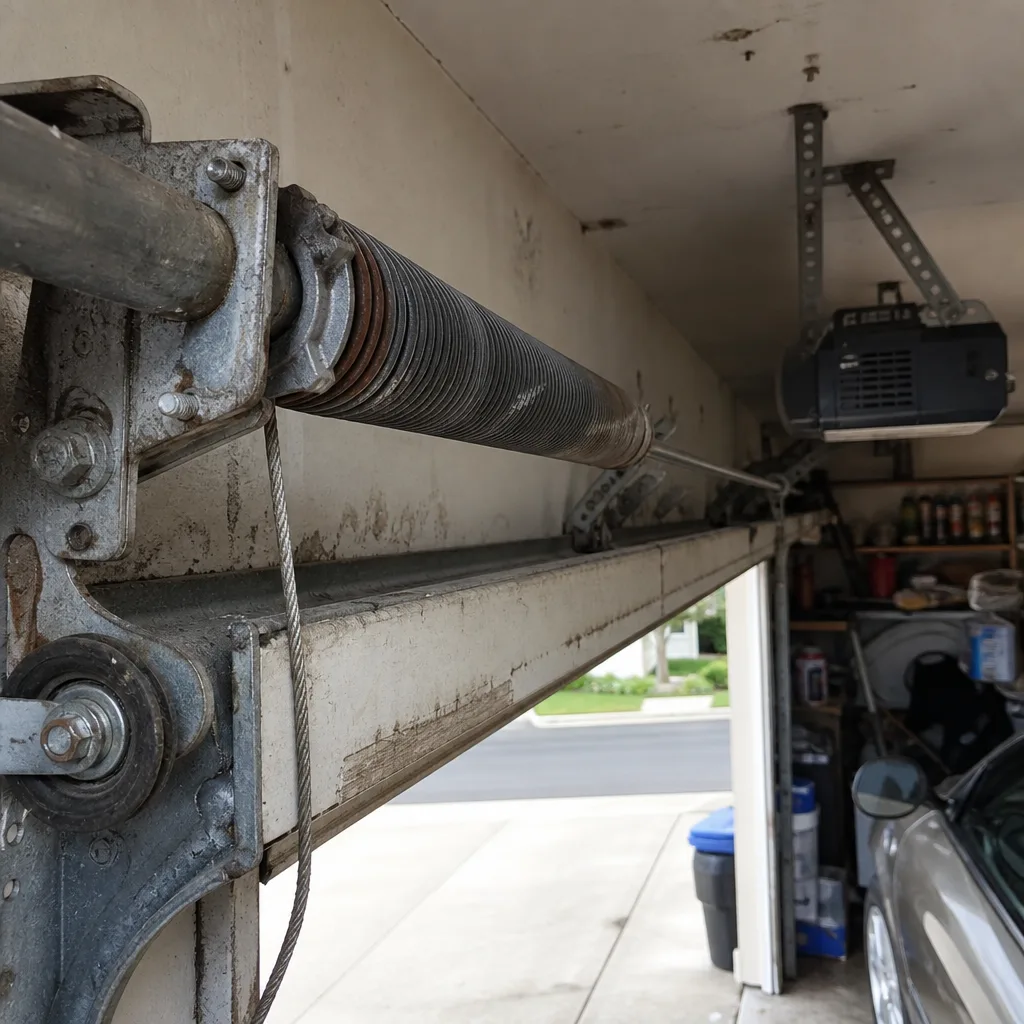 Before
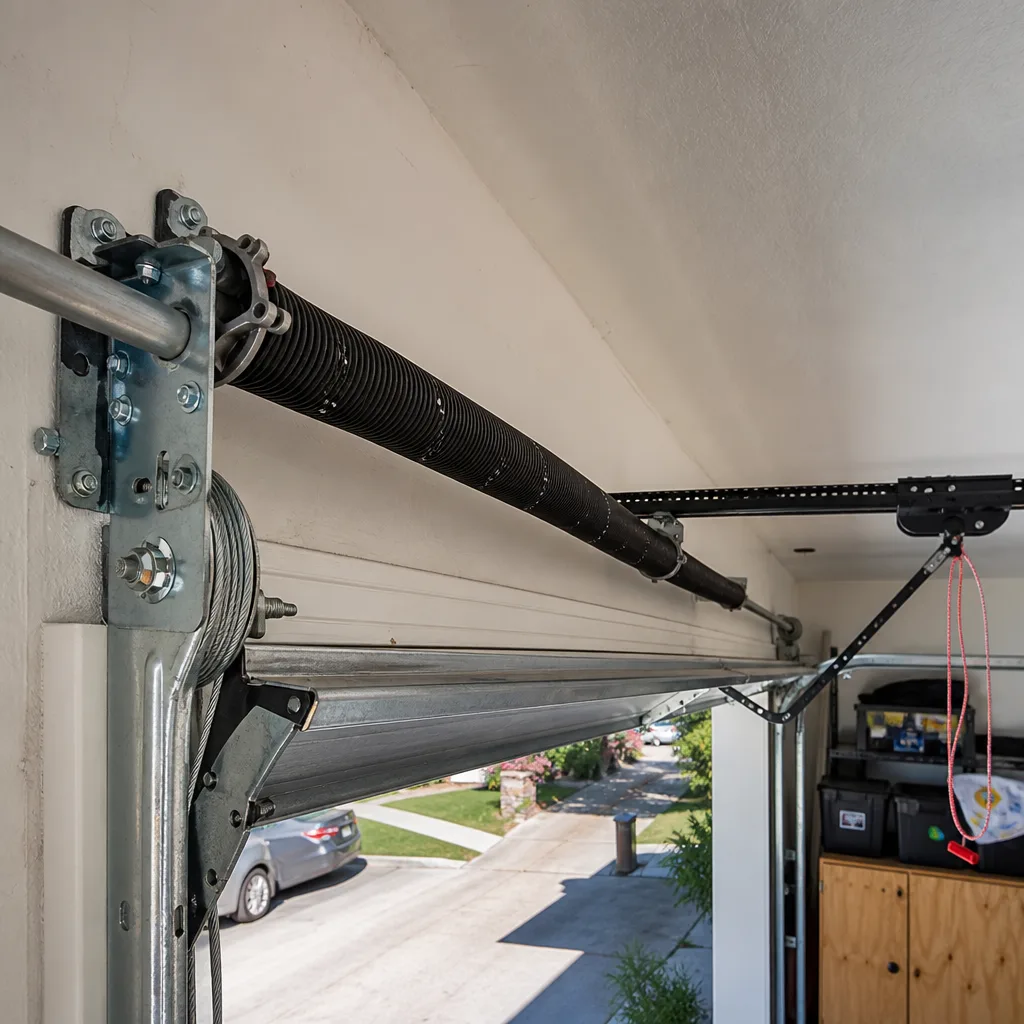 After
After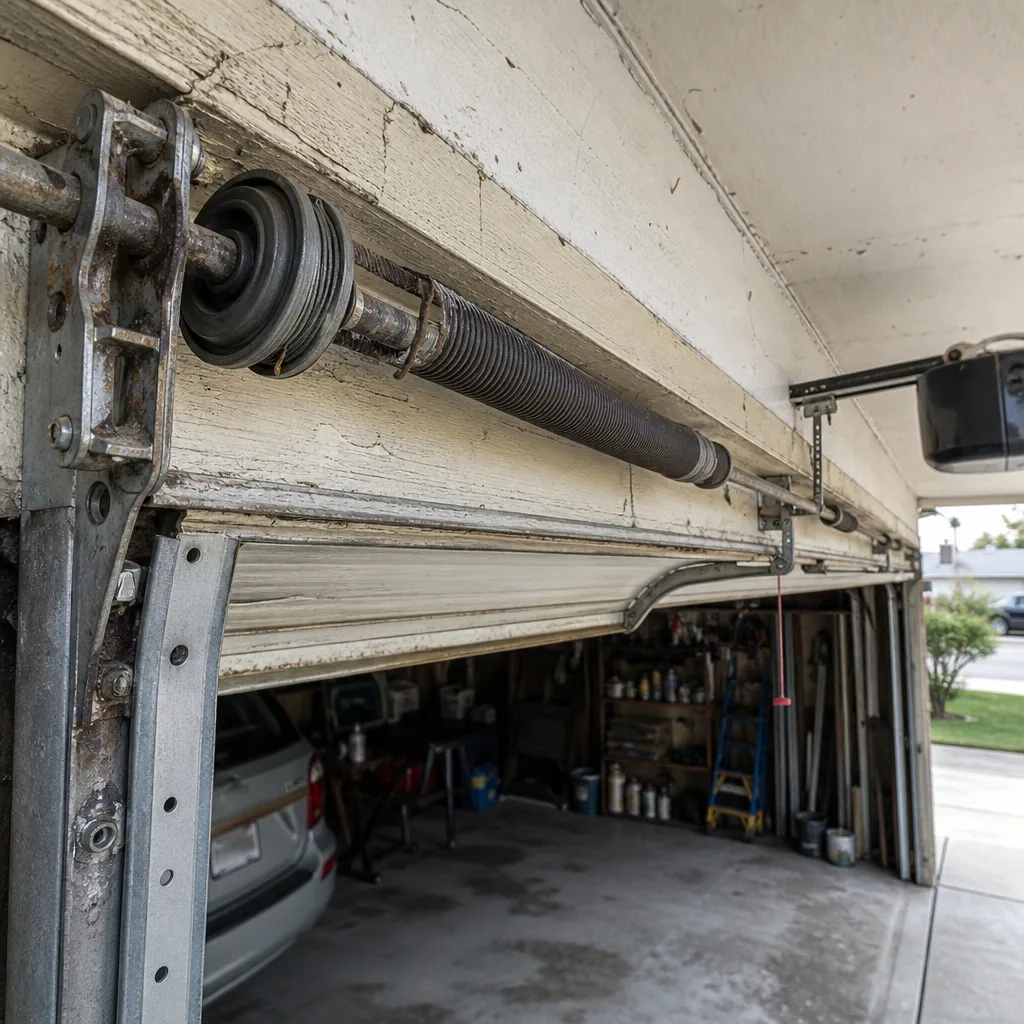 Before
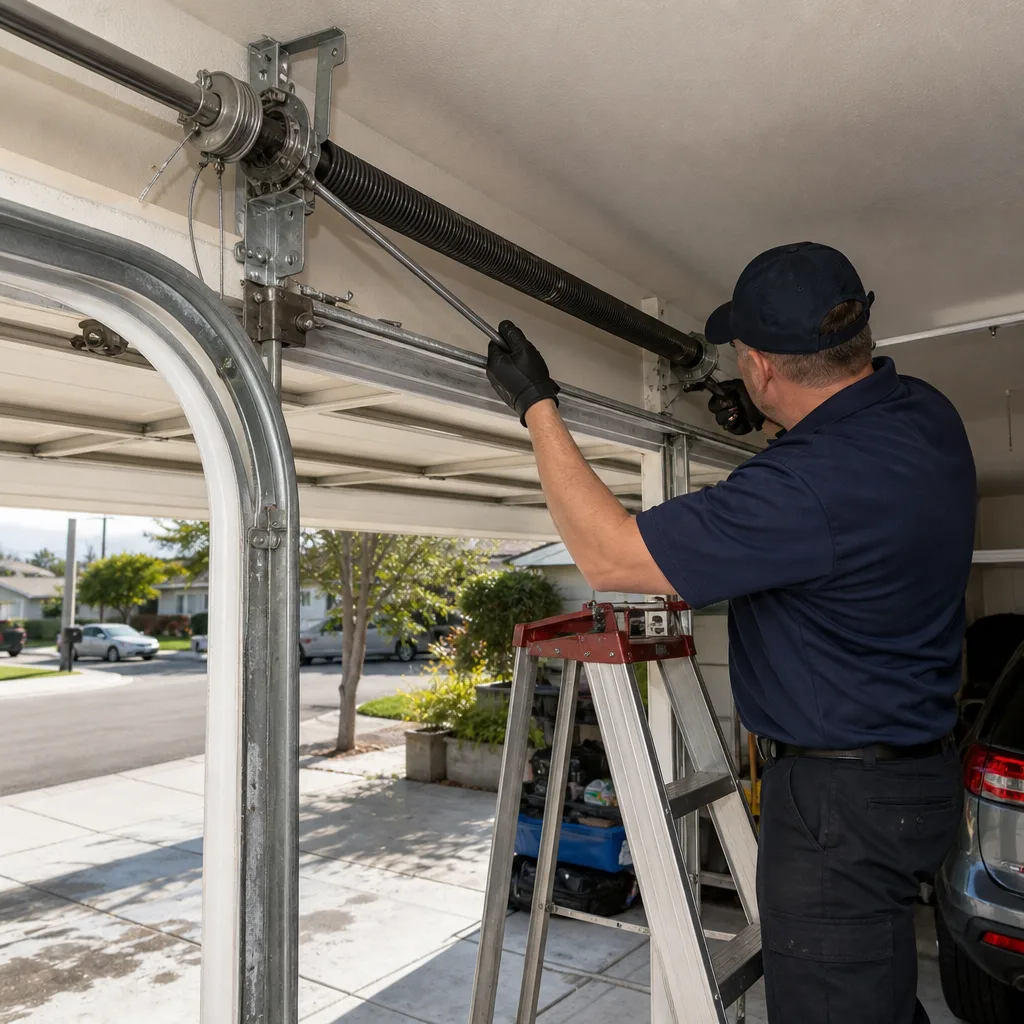 After
AfterSeasonal Garage Door Care for Spring Valley: Year-Round Homeowner’s Guide
Most seasonal maintenance calendars were written for climates with snow, hard freezes, and four distinct seasons. Spring Valley has none of these. What we do have is a dry heat cycle that bakes lubricant off steel parts, a brief monsoon window that tests every seal, a Santa Ana wind season that packs debris into mechanisms faster than any other time of year, and a mild winter that lulls homeowners into skipping maintenance entirely. In our 42 years serving East County, we’ve seen more garage doors fail in October after Santa Ana winds than in any other month, as detailed in The Complete Guide to Garage Door in Spring Valley. The maintenance calendar that follows is built for Spring Valley’s actual climate, not a template from Ohio.
Quick Answer
Spring Valley homeowners should maintain garage doors on a four-phase schedule aligned with local climate patterns: pre-Santa Ana track and fastener inspection (September), monsoon seal verification (July-September), summer heat-cycle auto-reverse testing (May-August), and mild-winter deep maintenance (December-February) for compounding protection. This approach prevents the three most common local failures: wind-loaded debris damage, seal rot from brief but intense moisture exposure, and thermal-expansion hardware fatigue.
Table of Contents
- Pre-Santa Ana Prep: The Most Overlooked Season
- Monsoon Window Seal Maintenance (July-September)
- Summer Heat Cycle: Testing When It Matters
- Post-Summer Hardware Inspection
- Mild-Winter Deep Maintenance: Building Compounding Protection
- What Our $89 Seasonal Tune-Up Covers
- Common Mistakes to Avoid
- When to Call a Professional
- Frequently Asked Questions
Pre-Santa Ana Prep: The Most Overlooked Season
The Santa Ana wind season arrives in Spring Valley between September and December, often with little warning. Sustained easterly winds carry fine particulate matter from the desert and coastal chaparral. This debris does not merely settle on your car. It packs into roller bearings, packs into track channels, and wedges under bottom seals with an efficiency that can degrade a well-maintained door to a noisy, unbalanced condition in a single week.
We see this every October. Homeowners who skipped September maintenance call with doors that shudder, grind, or have jumped track. The repair is almost always preventable.
What to Do Before the Winds Arrive
- Remove and clean track channels. Use a damp cloth wrapped around a thin piece of wood to reach the full channel depth. Do not use a lubricant in the track itself; lubricant attracts and holds debris during wind events.
- Torque-check all fasteners. The door frame and track mounting brackets take vibration stress all year. Santa Ana winds add lateral loading. A loose jamb bracket under wind load can elongate bolt holes in a single event. Check with a socket wrench, not by hand.
- Inspect roller bearings for existing grit. Spin each roller by hand. Rough or gritty rotation means debris has already entered the bearing race. Replace steel rollers with sealed nylon rollers if the budget allows; they resist particulate intrusion far better in our environment.
- Verify bottom seal contact. A seal that does not fully contact the concrete apron becomes an entry point for wind-driven sand. In Spring Valley, many aprons slope slightly toward the street for drainage. Check seal contact across the full width, especially at the low side.
The week before a Santa Ana event is too late for this work. The particulate is already airborne. We recommend completing pre-Santa Ana prep by the second week of September. If you’re uncertain about fastener torque specifications or roller condition, our Garage Door Repair in Spring Valley service includes a full pre-wind inspection.
Monsoon Window Seal Maintenance (July-September)
Spring Valley’s monsoon moisture arrives in brief, intense pulses. Unlike the Pacific Northwest’s persistent drizzle, our moisture events are followed by rapid drying under intense sun. This pattern creates a specific failure mode: seals that pass a static inspection will leak under wind-driven rain, then dry before the homeowner notices.
The concrete apron conditions common in Spring Valley amplify this. Many homes built between 1960 and 1990 have aprons with minor cracking or slight reverse grading toward the foundation. When monsoon rain hits a hot apron, it carries alkalinity and minor efflorescence into the bottom seal material. The seal degrades from the back side, invisible until failure.
Seal Inspection Steps for the Monsoon Window
- Test with light, not just touch. Close the door in full daylight. Look for light penetration at the bottom corners and center. Any visible light means water penetration under wind pressure.
- Feel for seal compression variation. Run a thin strip of paper under the closed door at multiple points. Resistance should be uniform. Weak spots indicate permanent set or backing damage.
- Check side and top seals for UV cracking. Spring Valley’s UV index is extreme. Rubber and vinyl seals harden and crack on the exposed face while appearing intact from the inside. Flex the material; it should bend without surface crazing.
- Address apron drainage. If your apron slopes toward the door or has pooling after rain, the seal is fighting hydraulics it was not designed for. This is a concrete issue, but the seal pays the price.
We replace more bottom seals in October than any other month. The damage was done in July and August. Monsoon seal maintenance is preventive, not reactive.
Summer Heat Cycle: Testing When It Matters
From May through August, Spring Valley garage temperatures routinely exceed 110°F. Steel tracks expand. Rollers run in expanded clearances. The door’s weight distribution shifts slightly as thermal expansion changes hinge geometry. Most critically, the auto-reverse system’s sensitivity changes with temperature.
Every modern garage door opener, including LiftMaster and Chamberlain units, has an auto-reverse function required by federal safety law. The opener senses resistance and reverses direction. In extreme heat, thermal expansion can increase running resistance enough to trigger nuisance reversal, or decrease it enough to prevent proper reversal when an obstruction is present.
How to Test Auto-Reverse in Summer Conditions
- Test at the hottest point of the day. Mid-afternoon, when the garage has soaked in sun for hours. Testing at 8 a.m. gives false confidence.
- Use a 2×4 laid flat in the door’s path. Federal test standard. The door should reverse within 2 seconds of contact.
- Test the photoelectric eyes. Pass a broom handle through the beam while the door is descending. It should reverse immediately.
- Check force adjustment if nuisance reversal occurs. If the door reverses on a normal close without obstruction, the force setting may need calibration for summer expansion. This is a technician adjustment on most Genie and LiftMaster models.
Safety note: Do not attempt to adjust spring tension, cable tension, or opener force settings if you are not trained. These components store significant energy. A garage door spring carries the door’s full weight, which is why we named our company Mainspring. Improper adjustment can cause sudden, uncontrolled door movement. Our Garage Door Opener in Spring Valley service includes seasonal sensitivity calibration.
Post-Summer Hardware Inspection
Thermal expansion is not a single event. It is thousands of cycles of expansion and contraction. By September, the hardware on a Spring Valley garage door has endured more thermal stress than a comparable door in a temperate climate sees in several years.
The specific failure pattern we observe is fatigue at hinge knuckles and track bracket bolt holes. Steel expands against steel, but not uniformly. Hinges with worn pins develop ovaling. Track brackets with marginal torque loosen incrementally. The cumulative effect is a door that operates acceptably in cool morning hours but binds or rattles by afternoon.
Post-Summer Inspection Checklist
- Hinge pin inspection: Grasp each hinge and attempt lateral movement. Any play indicates pin wear or knuckle elongation. Replace hinges in matched sets; mixing new and worn hinges distributes stress unevenly.
- Track bracket bolt torque: Check all jamb and flag bracket fasteners. Look for witness marks where paint has shifted around bolt heads, indicating movement.
- Spring anchor bracket: The bracket securing the torsion spring to the header takes cyclical loading all summer. Check for wood fiber crushing or bolt loosening. This bracket failure is dangerous; the spring transfers full load to the remaining fasteners.
- Cable drum set screws: Thermal cycles can loosen set screws on torsion cable drums. A slipping drum causes uneven lift and cable overlap. Check with an Allen wrench; do not overtighten, as drum castings can crack.
In neighborhoods like Casa de Oro and the older sections of Spring Valley along Jamacha Boulevard, we see more post-summer hinge replacements than in newer construction. The doors are older, the thermal cycles are the same, and the hardware has more years of fatigue accumulated.
Mild-Winter Deep Maintenance: Building Compounding Protection
Spring Valley’s winter is mild enough that garage doors face no freeze-thaw stress, no salt exposure, and no snow load. This is precisely why winter is the most valuable maintenance window. The door is not under seasonal stress, so maintenance actions taken now compound their benefit through the high-stress seasons ahead.
We call this the “one-and-done” principle. A task completed in January protects through May. A task deferred until May competes with immediate operational demands.
Winter Tasks That Compound
- Full lubrication with climate-appropriate product. Summer heat bakes off lightweight lubricants. Winter application of a lithium-based grease or silicone compound allows full penetration before heat exposure begins. Apply to hinge pins, roller bearings (if not sealed nylon), torsion spring coils, and lock mechanism. Never lubricate the track interior.
- Spring balance verification. Disconnect the opener and lift the door manually to waist height. A properly balanced door should hold position without drift. In Spring Valley’s dry climate, spring fatigue accelerates slightly; early detection prevents opener strain and emergency failure.
- Panel integrity inspection. Inspect steel panels for rust initiation at seams and dents. Inspect wood or composite panels for moisture intrusion at joints. Our dry climate masks minor leaks that become major panel failure when monsoon moisture finds the entry point.
- Opener rail and chain/belt inspection. Check chain tension or belt condition. Lubricate screw-drive rails if applicable. Verify trolley engagement. These are indoor components but still accumulate dust from door operation.
- Weatherstripping replacement if marginal. If seals showed any weakness during monsoon season, replace them now. January installation allows full adhesive cure before heat cycling begins.
The homeowner who completes this winter program enters Santa Ana season with a door that has been systematically prepared. The homeowner who waits for symptoms enters Santa Ana season with accumulated deferred maintenance. We’ve observed this pattern for four decades. The difference in repair frequency is substantial.
What Our $89 Seasonal Tune-Up Covers
Some homeowners prefer to verify their own work, or simply lack the time; for more guides & resources, visit our blog. Our $89 Seasonal Tune-Up is structured around the same four-phase calendar this guide describes. A Mainspring technician arrives with a stocked truck, performs the season-appropriate inspection and adjustment, and documents findings in writing.
The tune-up includes:
- Full 21-point safety and operation inspection
- Spring balance and cable tension verification
- Track alignment and fastener torque check
- Roller, hinge, and hardware condition assessment
- Opener force setting and auto-reverse testing
- Seal and weatherstripping inspection
- Lubrication of all specified components with climate-appropriate product
- Written condition report with priority-ranked recommendations
Most tune-ups are completed in a single visit because our trucks carry springs, cables, rollers, hinges, and seals for all major brands. If we find something that needs attention, we can often address it immediately with upfront pricing stated before any additional work begins. No surprises on the bill.
The $89 Seasonal Tune-Up is available year-round, but we recommend scheduling it to align with your maintenance phase: September for pre-Santa Ana, January for winter deep maintenance, or May for summer heat-cycle preparation. Call (619) 825-2139 to schedule.
Common Mistakes to Avoid
- Using WD-40 as a garage door lubricant. WD-40 is a solvent and water displacer, not a lubricant. It evaporates within days in Spring Valley heat, leaving metal-on-metal contact. Use lithium grease or silicone-based products specified for door hardware.
- Ignoring the door after a “successful” DIY fix. A door that operates after adjustment has not necessarily been adjusted correctly. Improper spring tension or cable winding can hold for weeks before sudden failure. We’ve responded to emergency calls in Spring Valley where the homeowner’s “fix” held for three months.
- Testing auto-reverse only in cool morning hours. Thermal expansion changes running resistance. A door that passes at 7 a.m. may fail at 3 p.m. Test when the garage is hottest.
- Replacing only the failed roller or hinge. Hardware wears as a system. Installing one new hinge among five worn hinges concentrates stress and accelerates failure of the remaining originals. Replace in matched sets.
- Assuming mild winter means no maintenance needed. This is the most expensive mistake. Winter is the compounding season. Skipping it means entering high-stress periods with accumulated deferred maintenance.
- Cleaning tracks with a pressure washer. The force drives water into bearings, displaces existing lubricant, and can damage photoelectric eye alignment. Use a damp cloth and manual contact only.
When to Call a Professional
Certain conditions warrant professional attention regardless of maintenance skill. Call Mainspring Garage Door Co. if you observe any of the following:
- The door makes a loud bang and then operates differently, or a visible gap appears in the torsion spring. This indicates spring failure. Do not operate the door. The spring carries the full door weight, and a failed spring can cause uncontrolled descent.
- Cables appear frayed, unwound from drums, or detached from bottom fixtures. Cables are under extreme tension and can cause serious injury if handled improperly.
- The door is off-track, even partially. Operating an off-track door damages the track, rollers, and potentially the door panels.
- Opener motor runs but door does not move, or moves only partially. This may indicate stripped gears, broken couplings, or opener/door disconnect issues requiring diagnosis.
- You are uncertain about any adjustment involving springs, cables, or opener force settings. These are not learning opportunities; they are safety-critical systems.
Mainspring Garage Door Co. offers free estimates in Spring Valley. A technician will assess your door, explain findings in plain language, and state a flat price before any work begins. Call (619) 825-2139. Our phones are answered by a live person, 24/7, including nights, weekends, and holidays. For new door needs, see our Garage Door Installation in Spring Valley page.
Frequently Asked Questions
Follow a four-phase annual schedule: pre-Santa Ana inspection in September, monsoon seal check in July-September, summer auto-reverse testing May-August, and deep maintenance during mild winter months December-February. This climate-specific calendar prevents the three most common local failure modes: wind debris damage, seal rot from brief intense moisture, and thermal-expansion hardware fatigue.
Yes, if you use the correct product and apply it to the correct points. Use lithium-based grease or silicone lubricant on hinge pins, roller bearings (if not sealed nylon), torsion spring coils, and lock mechanisms. Never lubricate the track interior, and never use WD-40 as it evaporates rapidly in our heat. If you are uncertain which points need attention, our $89 Seasonal Tune-Up includes full lubrication with appropriate products.
Thermal expansion. Steel tracks, hinges, and hardware expand in afternoon heat, changing clearances and alignment. A door with marginal hinge wear or slightly loose track brackets will show symptoms first under thermal load. This is an early warning of hardware fatigue that will worsen. Schedule inspection before the condition progresses to binding or track jumping.
Professional seasonal tune-ups run $89-$150 depending on scope and door configuration. The Mainspring $89 Seasonal Tune-Up includes 21-point inspection, balance verification, safety testing, lubrication, and written condition report. Repairs identified during tune-up are quoted upfront before any work begins. Call (619) 825-2139 for scheduling; estimates are free.
Most doors can be repaired if panels are structurally intact and hardware is available for the model. We are factory-familiar with all major brands including Raynor, LiftMaster, Chamberlain, and Genie. Replacement becomes advisable when panel damage is extensive, multiple hardware systems are worn, or energy efficiency improvements justify the investment. We offer free second opinions on any written replacement estimate.
Spring Valley’s inland elevation and canyon proximity create more extreme temperature swings than coastal San Diego, with hotter summers and colder winter nights. The Santa Ana wind corridor concentrates particulate debris. Brief monsoon moisture hits hot, dry materials that absorb it rapidly. These combined factors stress seals, hardware, and balance systems more than the mild marine climate closer to the coast.
The Bottom Line
Spring Valley’s climate demands a maintenance calendar built for dry heat, Santa Ana winds, brief monsoon moisture, and mild winters, not a generic four-season template. The homeowners who avoid emergency repairs are those who treat September pre-wind prep and January deep maintenance as non-negotiable appointments, not optional tasks. Small actions at the right time, repeated annually, compound into years of reliable operation. The alternative is deferred maintenance that accumulates until a single Santa Ana week or summer heat wave triggers multiple simultaneous failures.
We’ve served Spring Valley and surrounding communities since 1984. Our approach has not changed: arrive with the right parts, state the flat price before the wrench comes out, finish most jobs in a single visit, and stand behind the work for 90 days in writing. If you would like a professional assessment of your door’s condition, or prefer to have seasonal maintenance handled by a technician who knows this climate, call Mainspring Garage Door Co. at (619) 825-2139. A live person will answer, 24/7. Estimates are free, and the price we state is the price on the bill.
Written by Carl Dutton, Owner at Mainspring Garage Door Co., serving Spring Valley since 2016.