
Last updated September 10, 2026
Full 25-point door and opener safety check with every visit - springs, cables, rollers, tracks, and your LiftMaster or Chamberlain opener included
You get a price before we start. It does not change when the truck arrives.
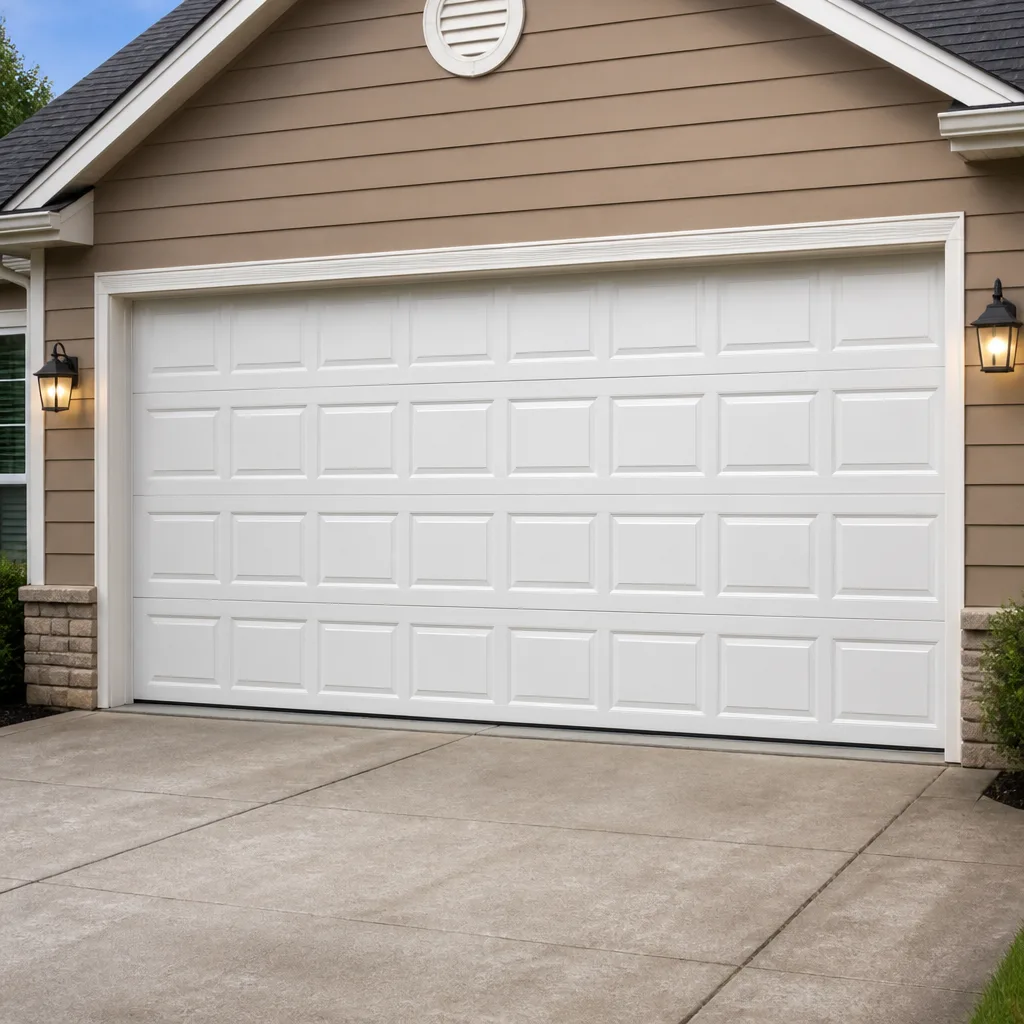
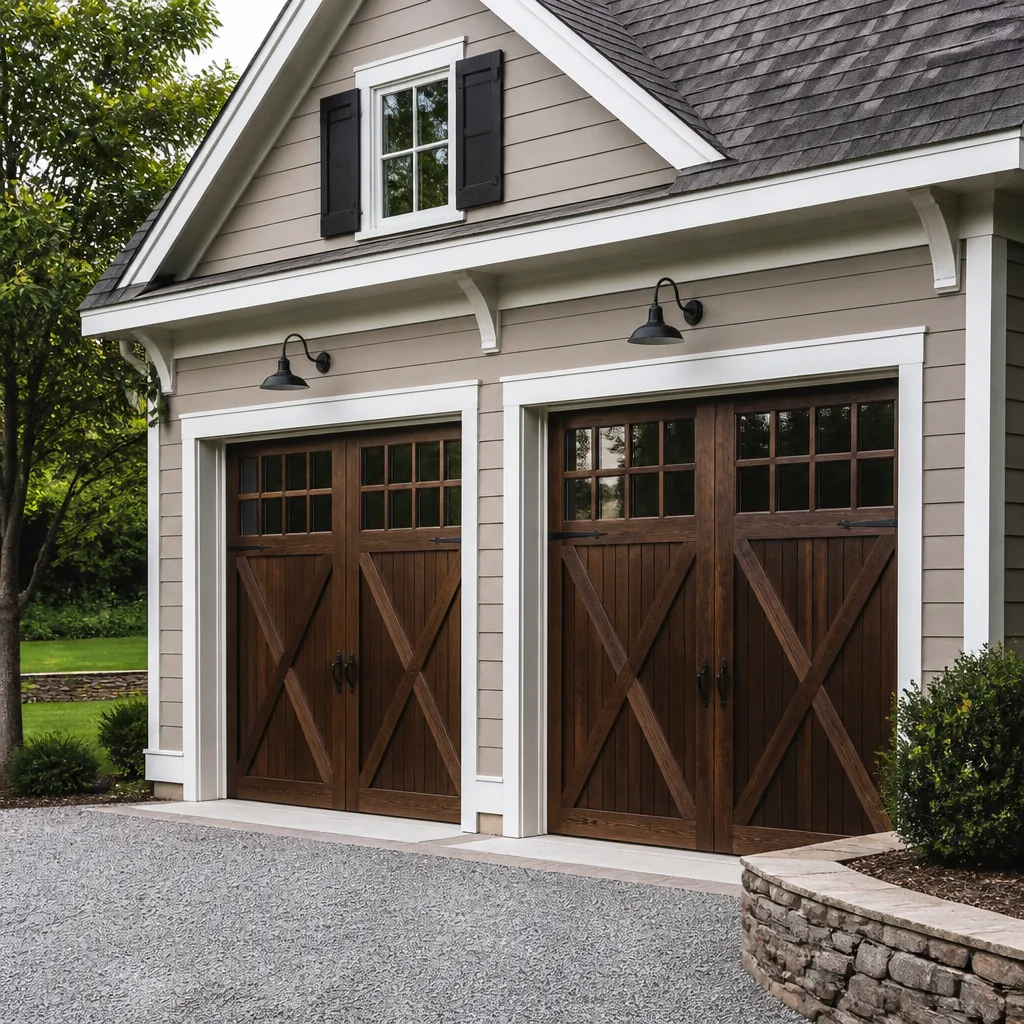
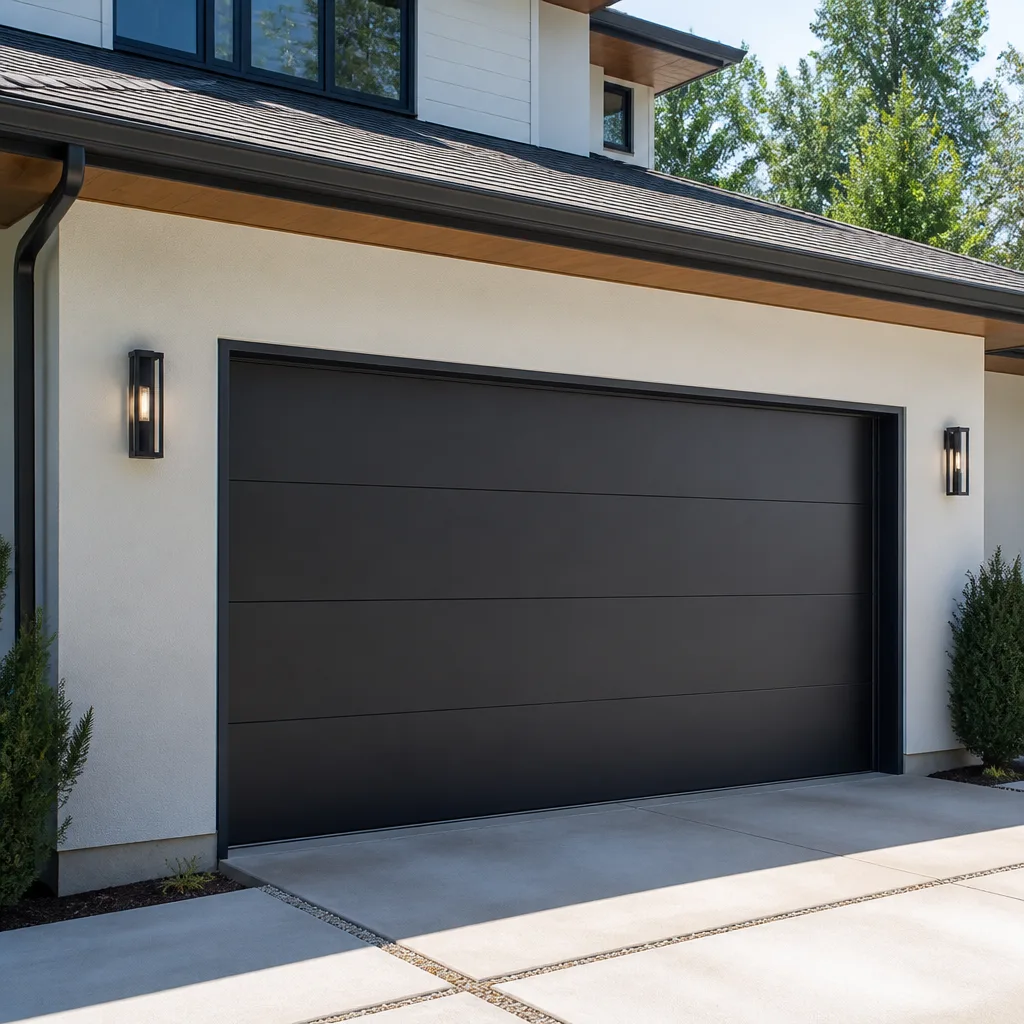
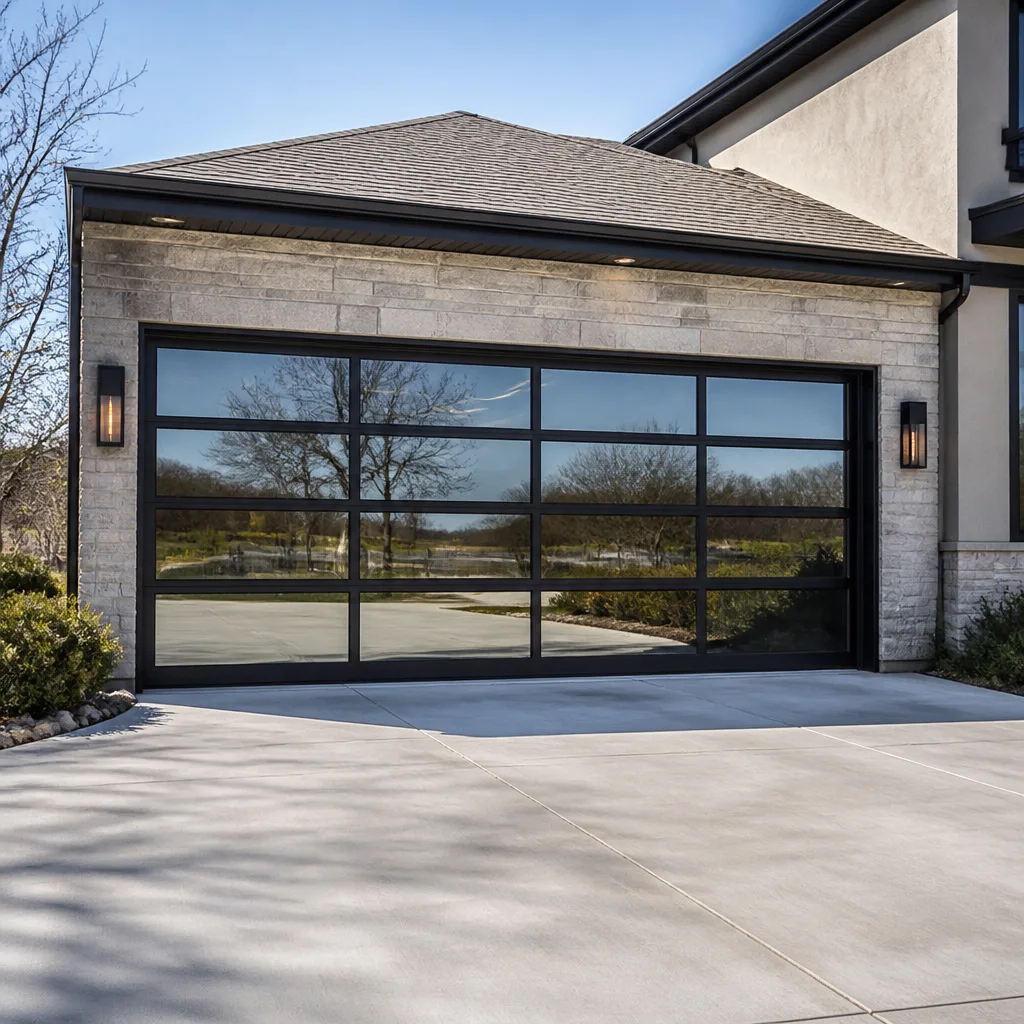
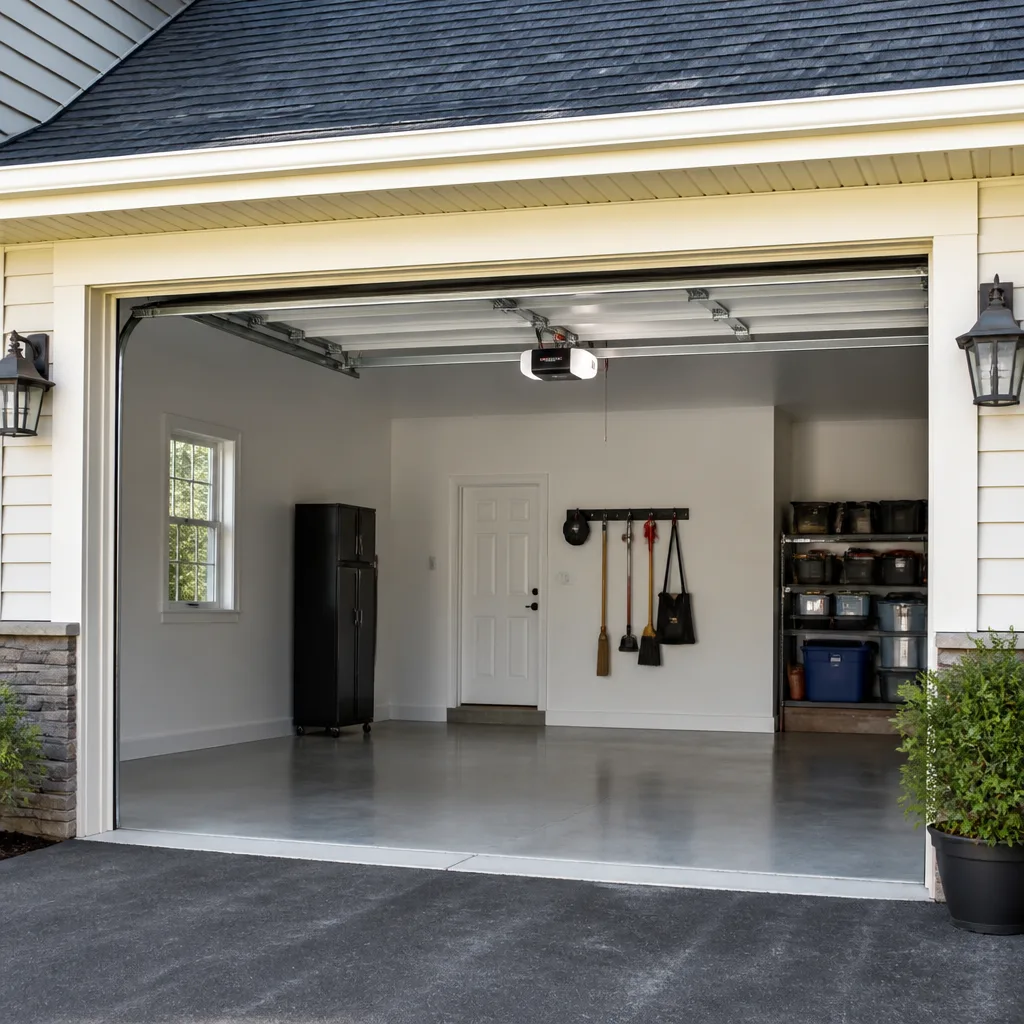
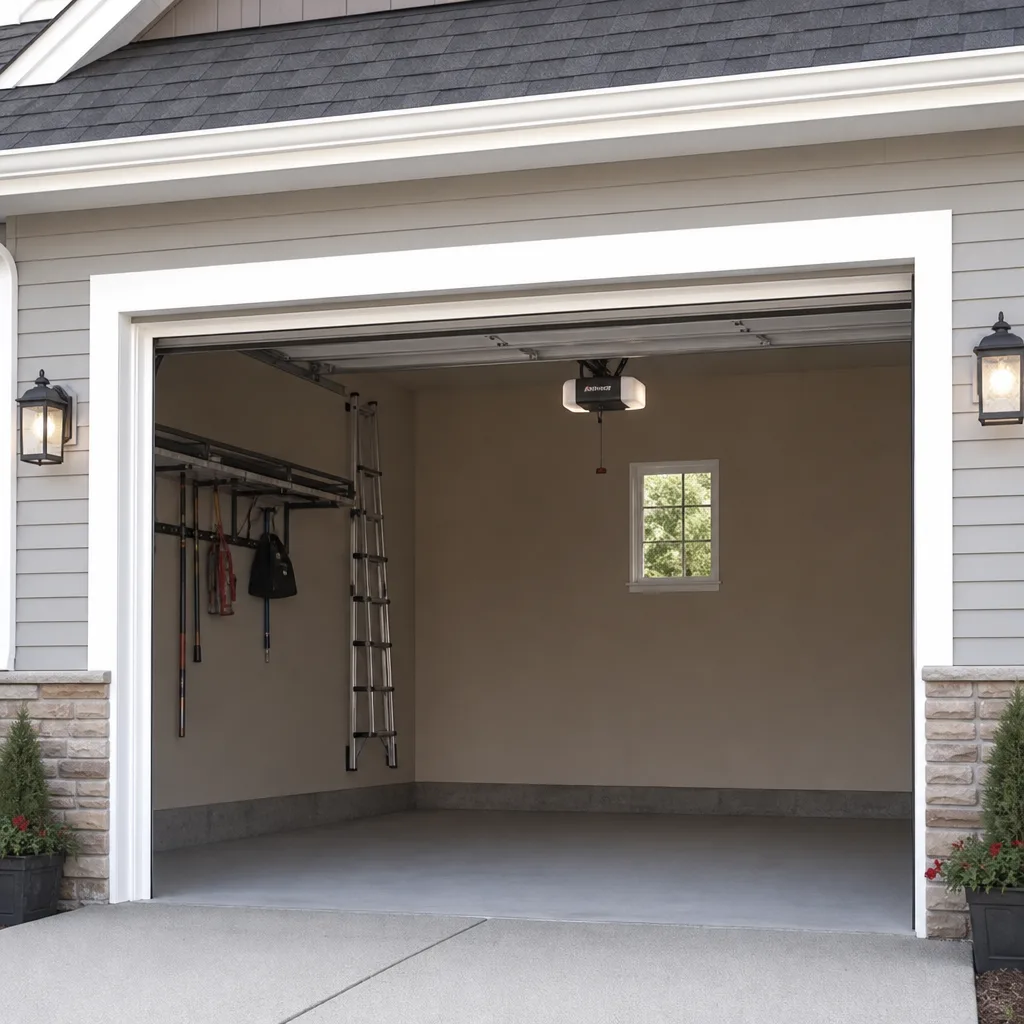
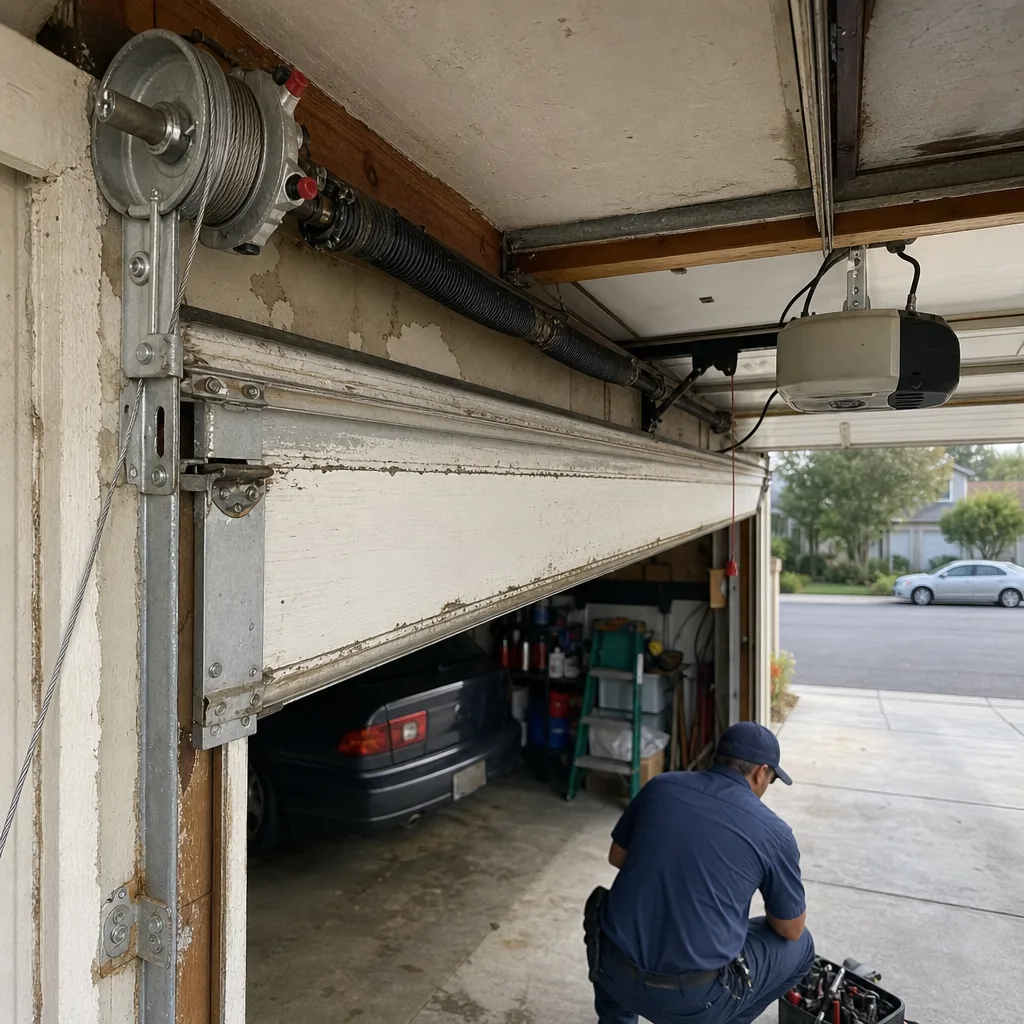 Before
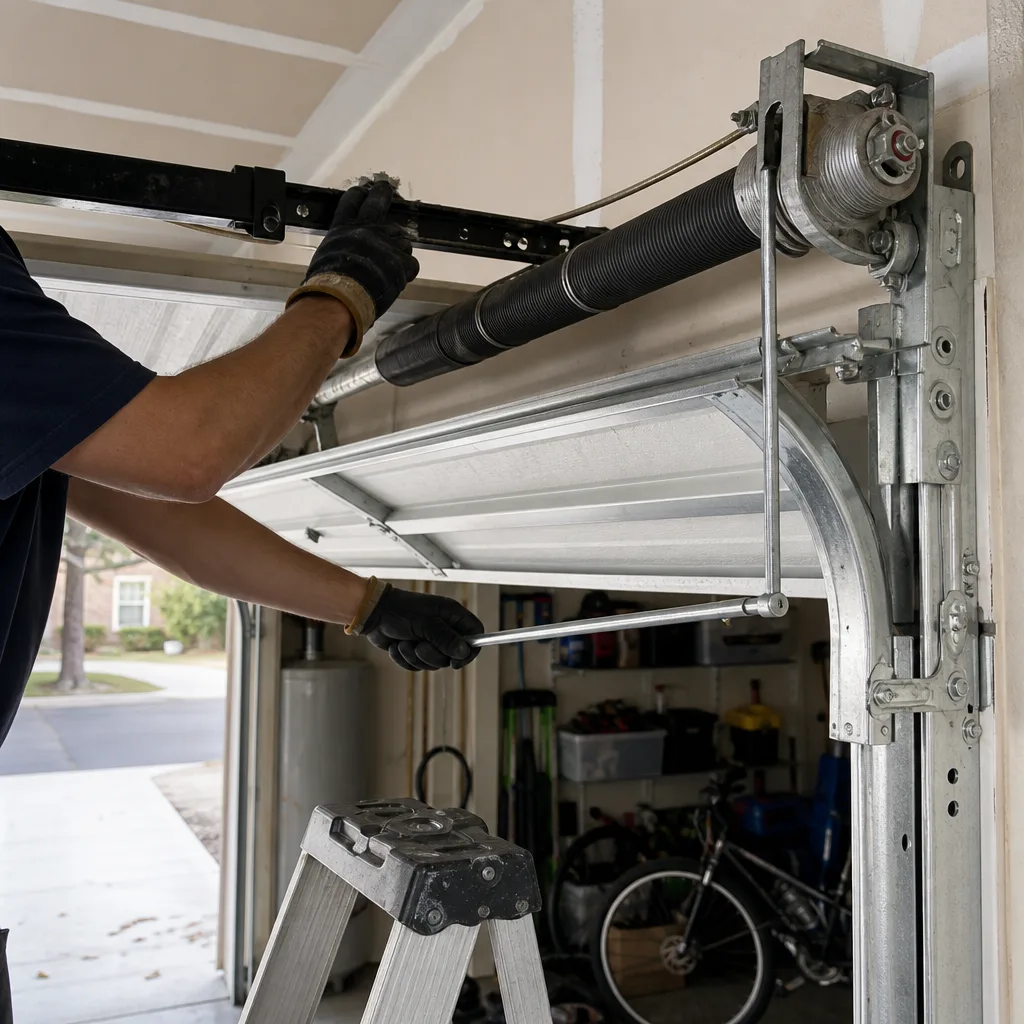 After
After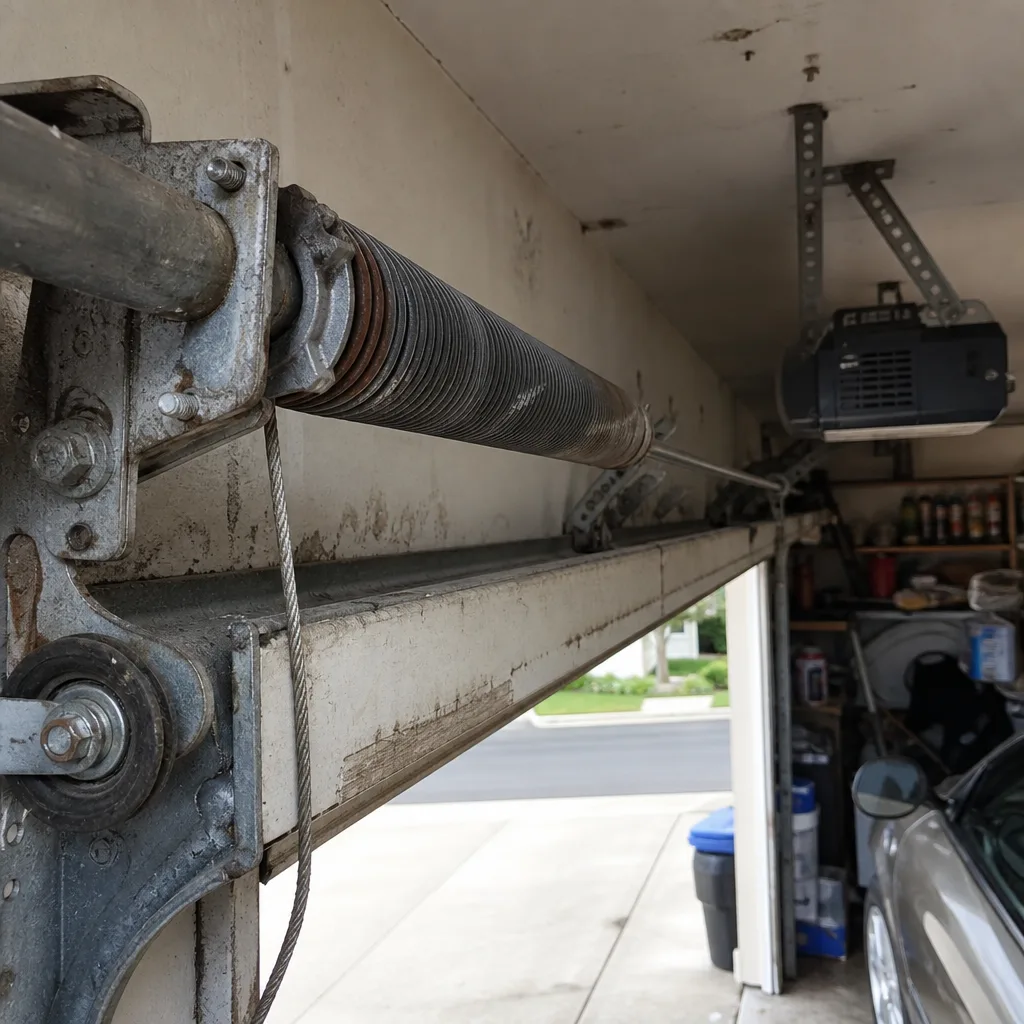 Before
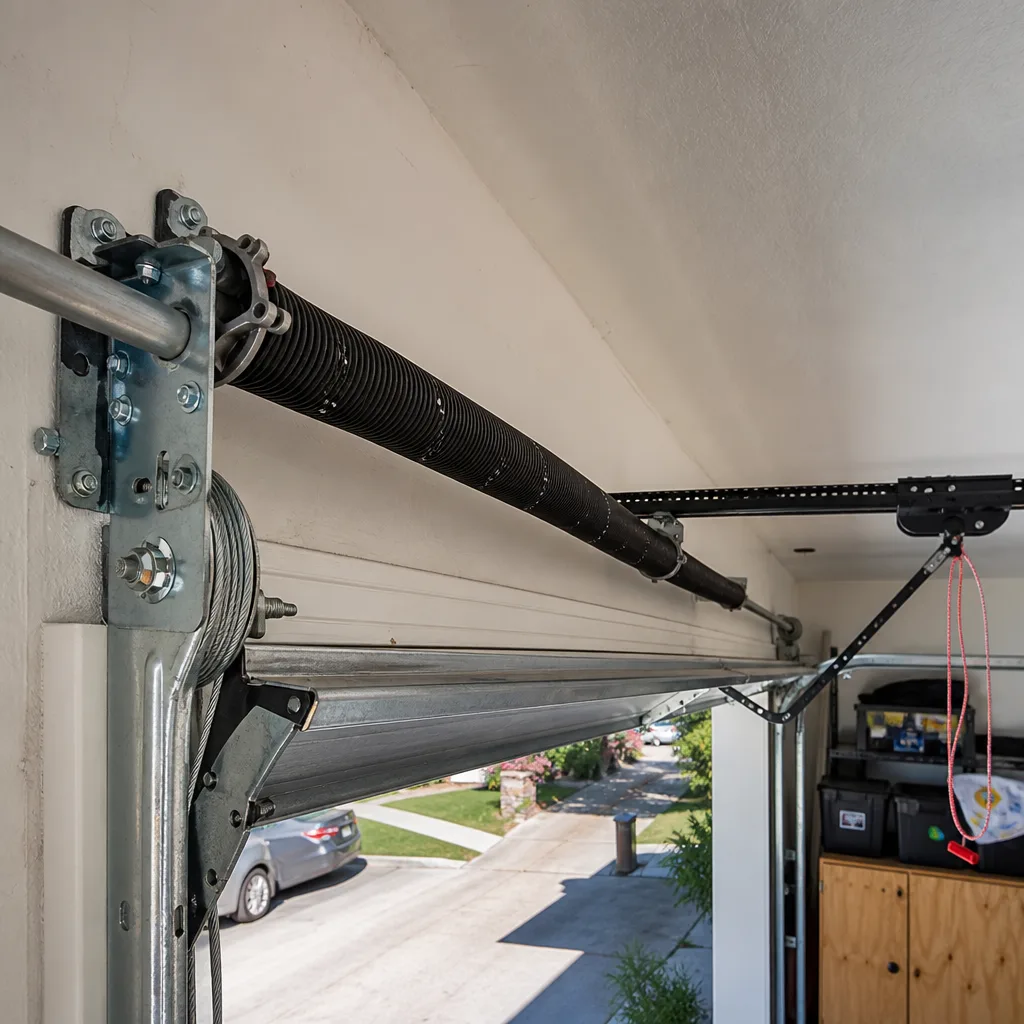 After
After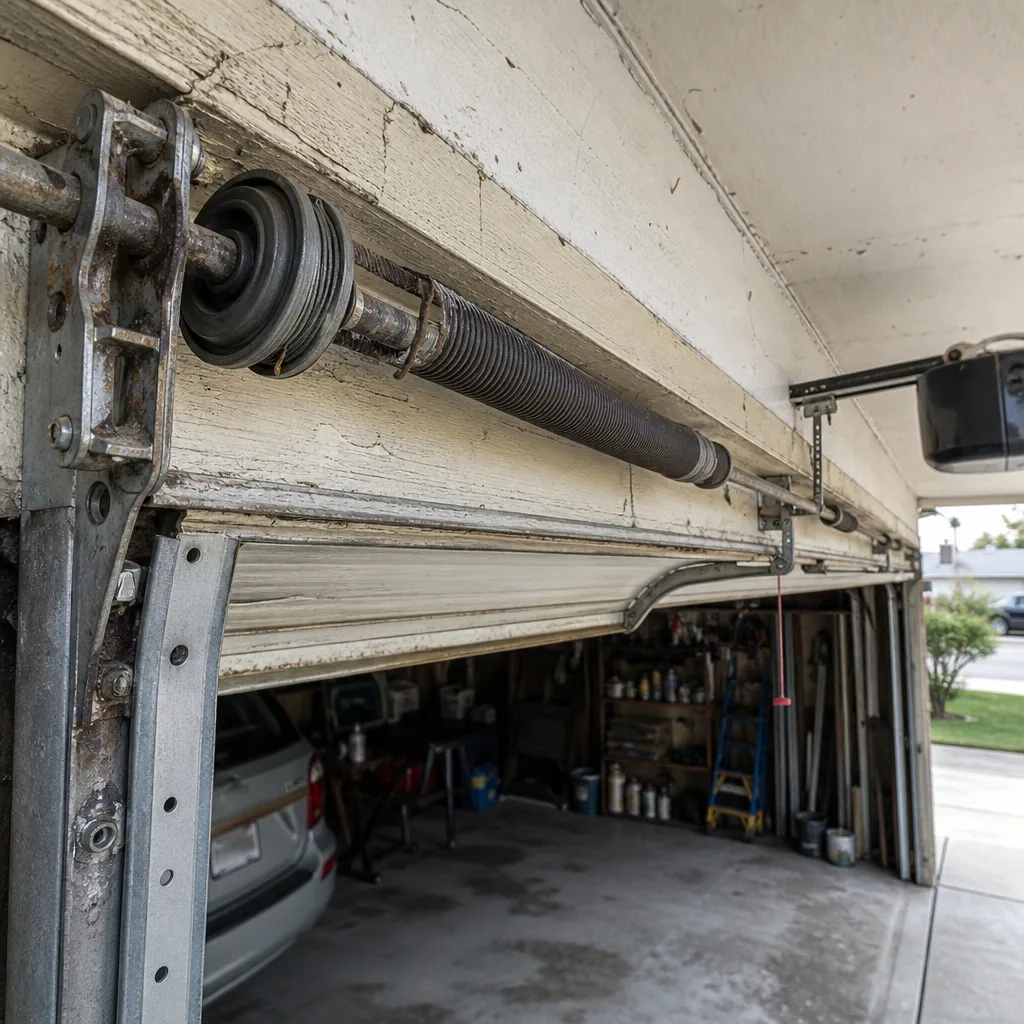 Before
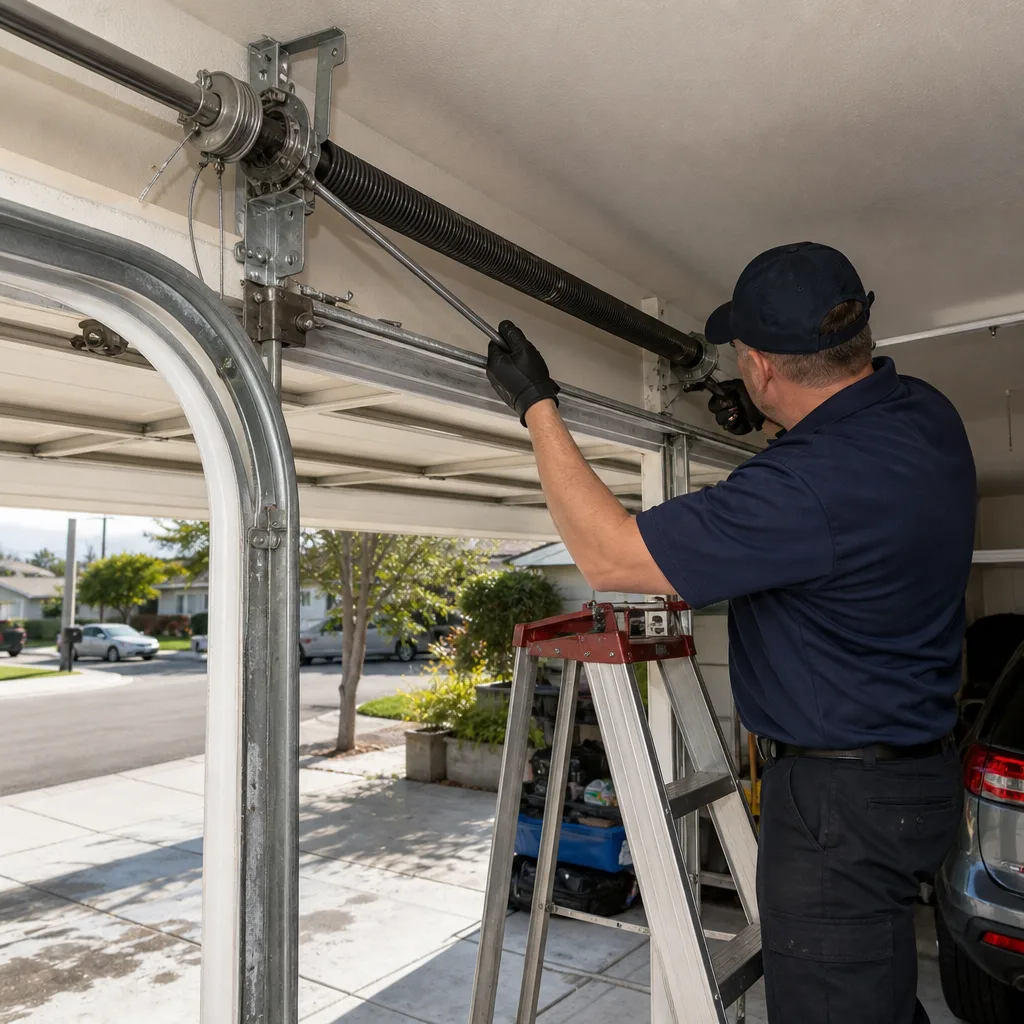 After
AfterGarage Door Permits, Codes & Inspections in CA: What You Need to Know
Most homeowners in Spring Valley assume swapping a garage door is like replacing a refrigerator: pull the old one out, slide the new one in. That assumption has cost sellers thousands at closing. In California, the California Residential Code draws a sharp line between a simple replacement and a structural alteration, and crossing it without a permit can surface as a lien-able defect on a title report. This guide explains exactly when you need a permit, what the inspector will look for, and how unpermitted work can derail a home sale; for ongoing maintenance advice, see our Garage Door Repair Maintenance Checklist for Spring Valley Homeowners.
Quick Answer
Garage door replacements in California require a building permit when they alter the rough opening, modify the header beam, add a new electrical circuit for the opener, or change fire-rating requirements. Simple in-kind replacements using the same dimensions and electrical connections typically do not. When a permit is required, the work must pass inspection before the permit can be finalized.
Table of Contents
- When Is a Permit Required for Garage Door Work?
- The California Residential Code Section That Governs Your Project
- San Diego County Fire-Rated Door Requirements
- The Inspection Sequence: What Inspectors Actually Check
- Who Can Pull the Permit: Homeowner or Contractor?
- How Unpermitted Work Surfaces at Resale
- Spring Valley-Specific Considerations
- Permit Costs and Timeline in San Diego County
When Is a Permit Required for Garage Door Work?
The rule sounds simple until you apply it to real jobs. California Building Standards Code Title 24 requires a permit for any construction, alteration, or repair that changes the structural integrity, fire safety, or electrical systems of a building. For garage doors, that translates to four common triggers we see in Spring Valley homes.
Permit required:
- Changing the width or height of the rough opening, which alters header beam loads
- Installing a new garage door on a structure that never had one, such as a converted carport
- Adding or relocating a dedicated electrical circuit for the opener
- Replacing a non-rated door with a fire-rated door, or vice versa, in an attached garage
- Modifying or removing the header beam above the door
- Converting a standard door to a wind-rated door in high-wind zones
No permit required:
- Replacing a door with an identical size and type using existing tracks and hardware
- Swapping an opener on the existing electrical circuit and mounting location
- Cosmetic panel replacement when the door frame and operating hardware stay intact
- Spring, cable, roller, or sensor repairs that do not alter the door system
The gray zone catches people. A homeowner in Garage Door Installation in Spring Valley might order a taller door to accommodate a new lifted truck, not realizing that raising the header even six inches triggers structural review. Another might add a side-mounted opener with a new outlet, thinking it is minor electrical work. Both require permits.
We have been called to jobs where the previous installer skipped the permit to save two weeks and a few hundred dollars-one of many Garage Door Warning Signs: A Spring Valley Homeowner’s Reference Guide worth heeding. The homeowner found out when their insurance adjuster flagged the unpermitted electrical after a minor fire in an unrelated circuit. The garage door work was not the cause, but the lack of permit delayed the claim for months.
The California Residential Code Section That Governs Your Project
The specific authority is California Residential Code (CRC) Section R105.1, which mandates permits for construction, alteration, movement, enlargement, replacement, repair, equipment, use and occupancy, removal, and demolition of any building or structure. Garage doors fall under this because they are building components that affect structural loads, fire separation, and egress.
Section R302.6 governs the fire separation between attached garages and living spaces. It requires a 20-minute fire-rated door or equivalent assembly between the garage and any room used for sleeping purposes, and a 20-minute rated door or 1/2-inch gypsum wallboard between the garage and other habitable spaces. This is where many replacement jobs trip.
A homeowner replaces their old wood door with a modern insulated steel model from Clopay or Amarr. The new door looks better, seals tighter, and operates quieter. But if the original door was fire-rated and the replacement is not, the assembly no longer meets code. The inspector who checks the permit will reject it. The homeowner who skips the permit has created a code violation that persists invisibly until a resale inspection or insurance review.
Section R609.4 addresses garage door hardware and wind load. In California’s basic wind speed zones, exterior garage doors must be designed to resist the wind pressures specified in Table R301.2(2). Most quality doors from Wayne Dalton or Craftsman carry a label showing compliance, but the label must be visible and legible at inspection. We have seen inspectors fail jobs because a door sticker faded or was painted over.
For electrical work, CRC Section E3301.1 defers to the California Electrical Code, which requires permits for new circuits, relocated outlets, and any work beyond simple like-for-like replacement. A new opener on a dedicated 20-amp circuit needs permit and inspection. Swapping an existing plug-in opener for a hardwired unit on the same circuit typically does not.
The code is dense, but the practical test is straightforward: if you are changing what is there, ask the building department before you start.
San Diego County Fire-Rated Door Requirements
San Diego County enforces CRC fire separation rules with local amendments through the County of San Diego Department of Environmental Health and the various city building departments. Spring Valley falls under the unincorporated county for some addresses and the city of La Mesa or San Diego for others, depending on exact location. The permit authority varies, but the code requirement does not.
The specific requirement most contractors skip: any door connecting an attached garage to a living space must maintain its fire rating after replacement. A 20-minute fire-rated door must be replaced with another 20-minute fire-rated door. The frame, hinges, and self-closing device must also meet the assembly rating. You cannot install a standard insulated door and assume the drywall compensates. The assembly is tested as a unit, and mixing rated and non-rated components voids the rating.
We see this most often in 1970s and 1980s Spring Valley ranch homes, where the garage connects directly to a kitchen or hallway through a standard interior door. Those original doors were often solid-core wood with a 20-minute label. Homeowners replace them with hollow-core or glass-paneled models for aesthetics, not knowing they have degraded the fire separation.
For garage-to-exterior doors, fire rating is not required unless local wildfire ordinances apply. Certain Spring Valley hillside zones under Cal Fire jurisdiction may require exterior fire-resistant construction, including garage doors. The San Diego County Fire Authority maintains maps of these zones. If your property borders open space or canyon, check before selecting a door.
The inspector will look for:
- A visible fire-rating label on the door edge or frame, showing 20-minute minimum
- Self-closing hinges or a self-closing device in working order
- No gaps exceeding 1/8 inch around the door perimeter when closed
- Intact smoke seal or gasket where required by local amendment
- Proper strike plate and latch engagement
Missing any of these means a failed inspection and a return trip. We carry fire-rated door options from Amarr and Clopay on our trucks specifically because this requirement surprises homeowners who expected a simple swap.
The Inspection Sequence: What Inspectors Actually Check
When a permit is required, the work must pass one or more inspections before the permit is finaled. Understanding the sequence helps you prepare and avoids costly delays.
Step 1: Plan review and permit issuance
Submit plans showing the door dimensions, header specifications, hardware schedule, and electrical details if applicable. For simple replacements, many jurisdictions accept a manufacturer cut sheet and site sketch. For structural changes, engineered drawings may be required. San Diego County offers over-the-counter permits for minor garage door replacements; plan review takes 5-10 business days for more complex jobs.
Step 2: Rough inspection (if structural or electrical work)
If you are modifying the header, adding framing, or running new electrical, the inspector examines this work before it is covered. For garage doors, this typically means:
- Header beam size and attachment verified against approved plans
- Framing members properly sized, spaced, and anchored
- Electrical rough-in: outlet boxes, conduit, wire gauge, grounding
- Any fireblocking or draftstopping in altered wall cavities
The rough inspection must pass before insulation, drywall, or finish materials go in. Failing to call for rough inspection before covering work means tearing it open.
Step 3: Final inspection
This is the inspection most homeowners experience. The inspector verifies:
- Door dimensions match the approved plans
- Fire rating labels are visible and match the approved door specification
- Wind load rating label is present for applicable zones
- Hardware and track installation meets manufacturer specifications
- Opener electrical connection is proper: grounded outlet, accessible disconnect, correct circuit protection
- Photo-eye sensors are installed 6 inches or less above floor level and aligned
- Wall button is mounted in clear view of the door, minimum 5 feet above floor
- Emergency release is functional and accessible
- Door reverses on contact with 2×4 test block placed on floor
- Auto-reverse sensitivity is adjusted per manufacturer (typically 15-30 lbs of force)
The inspector brings a 2×4 and tests the auto-reverse personally. We have seen doors fail because a homeowner or handyman disabled the feature after it triggered on a uneven floor seam. That is an automatic fail.
Step 4: Permit finalization
Passing inspection generates a final document. Keep it with your home records. It is the proof that protects you at resale.
Who Can Pull the Permit: Homeowner or Contractor?
California allows homeowners to act as their own contractor on single-family residences they occupy, under Business and Professions Code Section 7044. This is called the owner-builder exemption. It sounds empowering, but it carries risks many Spring Valley homeowners do not anticipate.
Homeowner as permit holder:
- Valid only for the owner’s principal residence
- Owner assumes full legal responsibility for code compliance
- Owner is deemed the employer of any workers; workers’ compensation liability falls to owner if uninsured
- Owner cannot sell the property for one year after completion without disclosing the owner-builder status
- Some jurisdictions limit owner-builders to one project per two-year period
Licensed contractor as permit holder:
- Required for any work performed by a contractor for compensation
- Contractor carries workers’ compensation and liability insurance
- Contractor warranties apply, including the CSLB-mandated warranty for latent defects
- Permit records show licensed accountability, which buyers and insurers prefer
- Required for rental properties, commercial buildings, and properties not occupied by owner
The practical reality: if you hire Mainspring Garage Door Co. home or any licensed contractor, that contractor must pull the permit in their license name. A homeowner cannot hire us, then pull the permit themselves to save money. That arrangement violates CSLB regulations and voids our insurance coverage.
We pull permits for all our installation jobs that require them. The cost is included in our written estimate, with no surprise add-ons. Our technicians have passed inspections in Spring Valley, La Mesa, El Cajon, and San Diego jurisdictions hundreds of times. We know what each inspector emphasizes, and we arrive prepared.
One caution: some unlicensed operators will ask the homeowner to pull the permit, or will skip it entirely. Both are red flags. The first shifts liability to you. The second leaves you exposed indefinitely.
How Unpermitted Work Surfaces at Resale
This is where the assumption of “no one will know” meets reality. Unpermitted garage door alterations surface in three predictable ways, and none of them are cheap to fix.
Title and disclosure review
California Civil Code Section 1102 requires sellers to disclose material facts affecting property value. Unpermitted structural work is material. Sellers must check a box on the Transfer Disclosure Statement indicating unpermitted additions or alterations. A garage door modification that changed the opening size or added electrical without permit qualifies.
Buyer’s agents increasingly run permit history checks through city or county databases. In Spring Valley, San Diego County’s online permit lookup makes this easy. A missing permit for visible work raises immediate questions. The buyer may demand permit retroactive approval, a price reduction, or walk away.
Retroactive permitting
If unpermitted work is discovered, the current owner must apply for a retroactive permit. This means:
- Opening walls to expose framing, electrical, and structural connections for rough inspection
- Potentially upgrading components to current code, even if the original work met earlier standards
- Paying permit fees at current rates, often double the original cost
- Hiring a licensed contractor to assume responsibility if the original work was owner-done
- Waiting through standard inspection queues, which in San Diego County can mean 4-8 weeks
We have retroactively permitted garage door jobs where the original installer vanished years before. The cost to open walls, verify headers, and bring electrical up to current AFCI requirements ran $2,800 on top of the original installation price. The homeowner’s “savings” from using an unpermitted low bidder evaporated.
Insurance and liability exposure
Unpermitted electrical work can void coverage if it contributes to a loss. Unpermitted structural modifications can create liability if the door fails and injures someone. The permit is not bureaucratic theater; it is a documented verification that the work meets safety standards.
For homeowners who plan to stay decades, as many in Spring Valley do, the permit protects your estate. Your heirs will sell someday, and they will inherit any unpermitted work you leave behind.
Spring Valley-Specific Considerations
Spring Valley’s housing stock and geography create permit scenarios that do not apply uniformly across California. Understanding these local factors helps you plan correctly.
Age of housing and original construction
Much of Spring Valley was built between 1960 and 1990. Garage doors from that era were often smaller than modern standards: 7 feet high instead of 8, 16 feet wide instead of 18. Replacing with current sizes almost always requires header modification and permitting. We measure carefully before quoting, because the visible door size does not reveal the rough opening until we check the framing.
Older homes may also have unpermitted conversions: carports enclosed into garages, or garages converted to living space with the door left in place as a wall. These are common in the Casa de Oro and La Presa areas. Any work on these structures triggers full permit review because the original conversion may itself be unpermitted.
Hillside and canyon zones
Spring Valley’s eastern and southern edges include properties on slopes with special building restrictions. Garage doors facing downhill may require retaining wall review if the approach or driveway is altered. Wildfire hazard zones, mapped by Cal Fire, may mandate exterior fire-resistant assemblies beyond standard code.
Soil and foundation conditions
The clay-heavy soils in parts of Spring Valley shift seasonally. Garage door frames that were plumb in March may rack by September. We see this in the older neighborhoods near Bancroft Drive and Sweetwater Road. A permit-replacement that includes jamb adjustment must account for this movement, or the door will bind and fail inspection. Our technicians shim and anchor for the range, not the moment.
Jurisdiction boundaries
Spring Valley spans unincorporated San Diego County, the city of La Mesa, and pockets of San Diego city proper. The permit authority for your address determines fees, inspection scheduling, and specific amendments. We verify jurisdiction before quoting permit costs, because a La Mesa permit and a county permit have different fee schedules and turnaround times.
Local market context
Spring Valley’s median home age and owner-tenure length mean many garage doors are original or one replacement old. When these homes sell, often to first-time buyers with FHA or VA financing, appraisers and inspectors scrutinize garage door condition and permit history more closely than in newer markets. An unpermitted door can derail a sale that a cash buyer would ignore.
Permit Costs and Timeline in San Diego County
Permit costs vary by jurisdiction and project scope. The figures below reflect our experience across Spring Valley-area jobs as of 2024-2025. Fees increase periodically; confirm current rates with the building department, or browse our more guides & resources for additional help.
| Project Type | Permit Fee Range | Plan Review Time | Inspection Timeline |
|---|---|---|---|
| Simple in-kind replacement (no permit) | $0 | N/A | N/A |
| Replacement with same dimensions, electrical unchanged | $180-$350 | Over-the-counter to 5 days | 1 final inspection, 2-5 days out |
| Replacement with altered opening or header | $350-$650 | 5-10 business days | Rough + final, 2-4 weeks total |
| New garage door on converted carport | $500-$900 | 10-15 business days | Rough + final, 3-6 weeks total |
| With new electrical circuit for opener | Add $150-$280 | Add 3-5 days | Add electrical rough inspection |
| Retroactive permit for unpermitted work | 1.5-2x standard fees | Standard queue | Exposed work may require reconstruction |
These fees are separate from contractor labor and materials. A legitimate estimate lists permit costs as a line item or notes that the contractor will obtain and include them. Beware estimates that ignore permits entirely; either the contractor plans to skip them, or they will appear as a change order later.
Timeline planning matters for Spring Valley homeowners. County inspection slots book 3-5 days ahead in normal periods, 7-10 days during spring and fall construction peaks. We schedule inspections as part of our project management, not as an afterthought. Our 90-Day Done Right Promise covers permit-related callbacks; if an inspector flags something we missed, we return at no charge.
Common Mistakes to Avoid
- Assuming “replacement” means “no permit.” The California Residential Code cares about what changes, not what you call it. Alter the opening, add electrical, or change fire rating, and you need a permit regardless of how you describe the job.
- Letting an unlicensed installer talk you out of permitting. The savings evaporate when you pay for retroactive permitting or a sale falls through. Licensed contractors have a duty to permit required work; avoiding it is a license violation you can report to the CSLB.
- Replacing a fire-rated door with a non-rated model. This is the most common code violation we see in Spring Valley’s attached garages. The new door looks better and costs less, but it degrades a life-safety assembly.
- Pulling a homeowner permit for contractor-performed work. This transfers liability to you and voids the contractor’s insurance. If the contractor will not pull the permit in their name, hire a different contractor.
- Ignoring jurisdiction boundaries. A Spring Valley address might fall under county, La Mesa, or San Diego city building departments. Each has different fees, forms, and inspection schedules. Verify before applying.
- Discarding permit documents after inspection. Keep the final permit and inspection records with your home files forever. They are your defense against future claims and your proof of compliance at resale.
- Skipping the rough inspection call. Covering structural or electrical work before rough inspection means opening it back up. The cost of a return trip far exceeds the patience to wait for the inspector.
When to Call a Professional
Call a licensed garage door contractor when your project involves structural changes, electrical work, fire-rated assemblies, or any uncertainty about permit requirements. The cost of professional guidance is modest compared to the cost of remediation.
Specific scenarios that warrant professional involvement: your garage door opening is not standard size; the header above the door shows cracking or sagging; you need a fire-rated door and are unsure which models qualify; your home is in a hillside or wildfire zone with additional restrictions; you are selling within two years and need clean permit history; or you have unpermitted existing work that needs resolution.
Garage Door Repair in Spring Valley and installation projects are what we have done since 1984. Mainspring Garage Door Co. offers free estimates in Spring Valley - call (619) 825-2139. We pull permits when required, pass inspections on the first call whenever possible, and stand behind every job with our 90-Day Done Right Promise in writing.
Frequently Asked Questions
You need a permit if the replacement alters the rough opening size, modifies the header beam, adds a new electrical circuit, or changes the fire rating. A simple in-kind replacement using the same dimensions and existing electrical typically does not require a permit. When in doubt, call your local building department with your specific plans before starting work.
Permit fees for garage door work in San Diego County typically range from $180 for simple replacements to $650 for structural alterations, with new electrical adding $150-$280. Retroactive permits for unpermitted work cost 1.5 to 2 times standard fees. Call the San Diego County Department of Environmental Health or your city building department for current fee schedules specific to your address.
California homeowners can pull permits for their own principal residence under the owner-builder exemption, but if you hire a licensed contractor for compensation, that contractor must pull the permit in their license name. Allowing a contractor to perform work under your permit transfers liability to you and voids their insurance coverage.
Unpermitted garage door work must be disclosed on California’s Transfer Disclosure Statement. Buyers may demand retroactive permitting, a price reduction, or walk away entirely. Retroactive permitting typically requires exposing covered work for inspection and can cost thousands more than original compliance. The permit history is also searchable online by address in most jurisdictions.
A plug-in opener swapped for another plug-in opener on the same mounting and electrical connection typically does not need a permit. Hardwiring a new opener, adding a dedicated circuit, or relocating the opener to a different position does require an electrical permit. In Spring Valley’s older homes with limited garage circuits, adding a new outlet often triggers this requirement.
Any door between an attached garage and living space must be fire-rated, typically 20-minute minimum. Check for a fire-rating label on the door edge or frame. If your home was built before 1979 or has had unpermitted modifications, the original fire-rated door may have been replaced with a non-compliant model. We inspect and document fire-rating status during every Garage Door Opener in Spring Valley and door replacement estimate at no charge.
The Bottom Line
California garage door permits are not arbitrary bureaucracy. They are the mechanism by which structural safety, fire separation, and electrical integrity are verified and documented. The line between permit-free replacement and permitted alteration is drawn by the California Residential Code, not by homeowner intuition or contractor convenience. Crossing it without documentation creates liability that compounds over years and surfaces at the worst possible moment: when you are selling, refinancing, or filing an insurance claim.
For Spring Valley homeowners who plan to stay, permitting protects your investment and your heirs. For those who might sell, it is essential to marketability. In either case, the modest cost of doing it right is a fraction of the cost of fixing it later. We have been helping homeowners navigate this since 1984, and we have seen every permutation of permit problem. The ones we never see are the ones we handled correctly from the start.
Written by Carl Dutton, Owner at Mainspring Garage Door Co., serving Spring Valley since 2016.